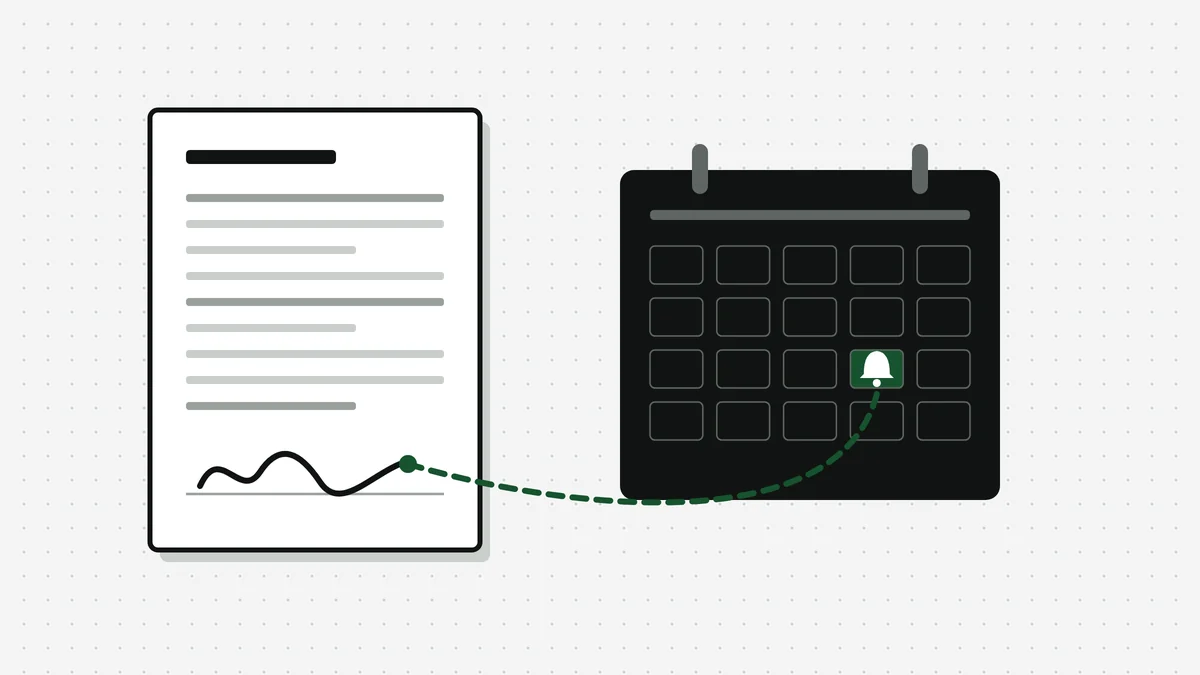
A supplier contract renews on its own because the notice date sat in a signed PDF. Nobody owned the date. Contract lifecycle management software exists to stop that. It keeps one record of every contract, from the first request to the renewal, and it flags each date before it becomes a problem.
This guide is for procurement and legal leads choosing CLM for procurement and legal work in 2026. We read vendor product, pricing and definition pages on October 31, 2026, and our editorial rules are public. For every contract management guide we publish, see the contract management hub. Start with our best contract management software ranking for a scored shortlist, or our contract management software for procurement guide when buy-side fit matters.
What is contract lifecycle management software?
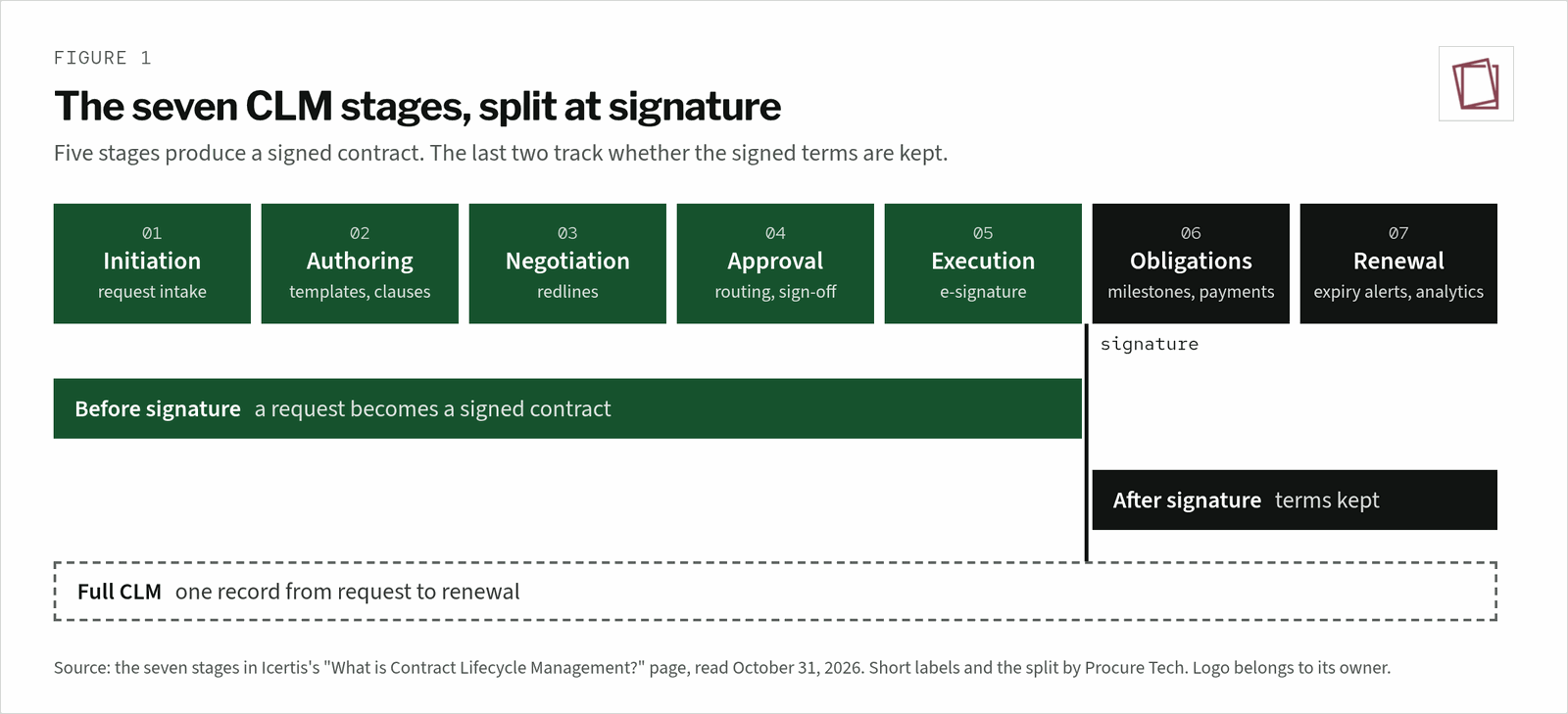
Contract lifecycle management software runs a contract from request to renewal in one system. It drafts from approved templates, routes redlines and approvals, collects signatures and stores the signed copy. After signature it tracks obligations, milestones and expiry dates. The signed record is the system of record for what was agreed in writing.
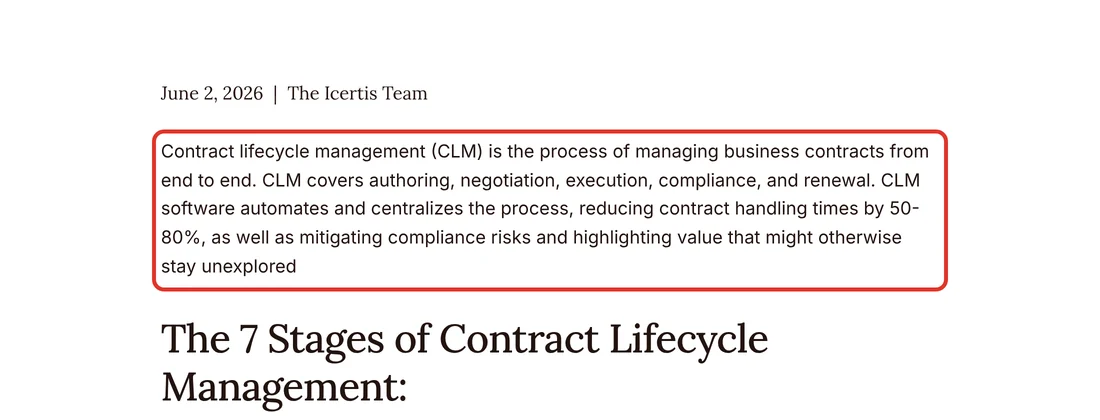
Icertis defines CLM as managing business contracts “from end to end,” covering authoring, negotiation, execution, compliance and renewal. It lists seven stages, from request intake to renewal and analytics. Icertis sells CLM software, so read this as a vendor definition. The same page puts its own time savings in a range; we leave vendor savings figures out.
How is CLM for procurement different from CLM for legal?
Procurement CLM starts with supplier paper and ends with terms enforced against spend. Legal CLM starts with your own templates and ends with risk controlled, and sales-led CLM starts in the CRM. The same platform can serve all three. What changes is whose paper arrives, which system feeds the record and who owns it after signature.
| Procurement (buy-side) | Legal and sales (sell-side) | |
|---|---|---|
| Whose paper | Often the supplier’s template | Usually your own template |
| Where requests start | Intake, sourcing or a P2P tool | The CRM or a legal request form |
| Systems to connect | ERP, S2P suite, supplier records | CRM, e-signature, document tools |
| What is tracked after signature | Prices, rebates, SLAs, renewal and notice dates | Obligations, renewals, amendments |
| Typical owner after signature | Category manager or contract manager | Legal ops or the deal owner |
Vendors now pitch procurement directly. Ironclad’s procurement page talks about turning “renewals, discounts, rebates, credits, SLAs, termination rights” into tracked value. Sirion’s procurement page promises visibility into supplier contract terms so you can “negotiate better deals and enforce them.” Both claims are about the record after signature.
Standalone CLM, suite module or volume-priced tool?
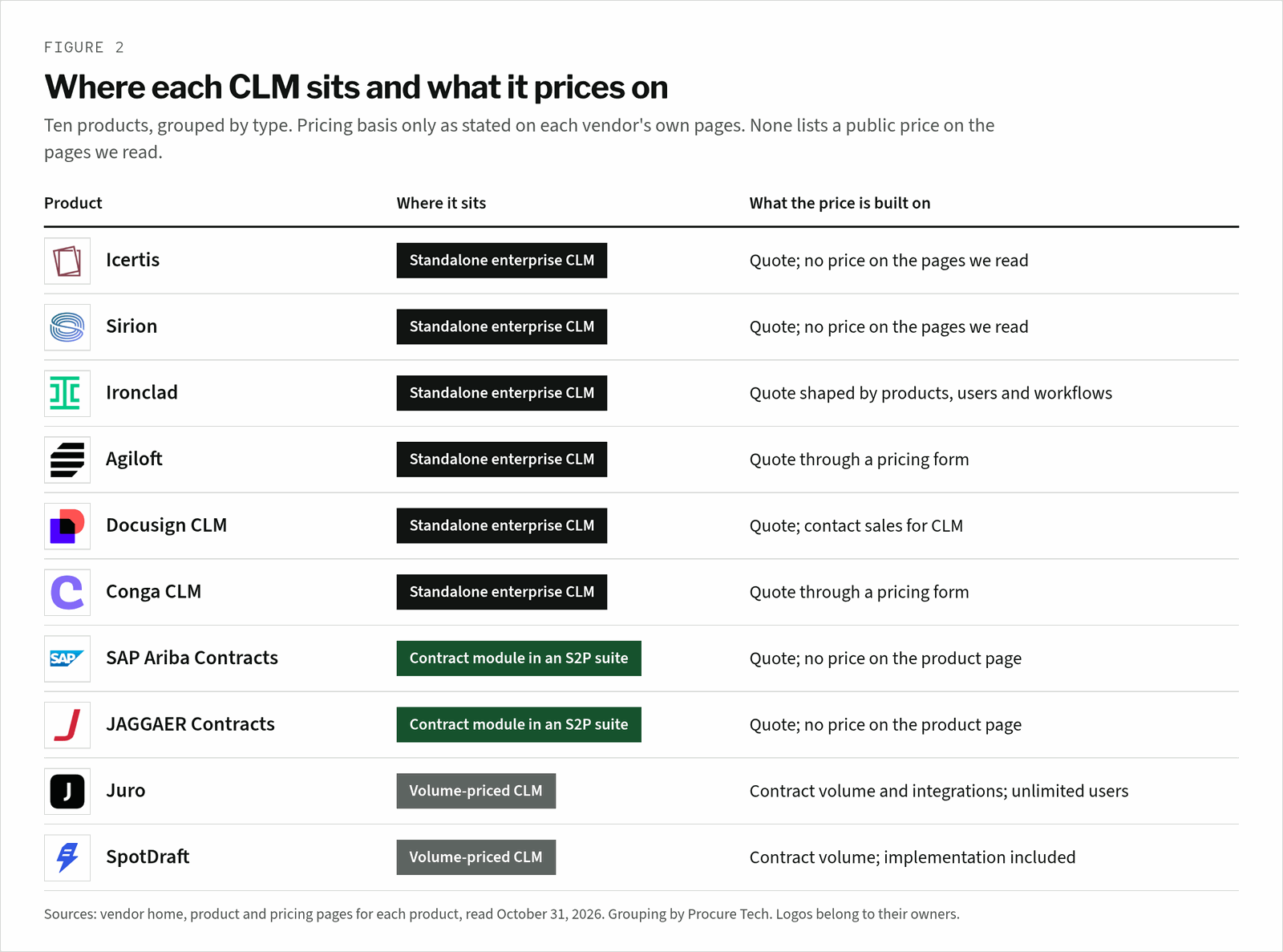
CLM comes in three shapes. Standalone enterprise CLM serves legal, sales and procurement on one platform. A contract module inside your source-to-pay suite keeps supplier contracts next to sourcing and buying, and volume-priced CLM is sold on contract counts, not seats. Pick the shape first, because it narrows the shortlist fast.
| Shape | Examples on the pages we read | Fits best when | Watch in a demo |
|---|---|---|---|
| Standalone enterprise CLM | Icertis, Sirion, Ironclad, Agiloft, Docusign CLM, Conga CLM | Legal, sales and procurement share one contract record | How it connects to your ERP and S2P suite |
| Contract module in an S2P suite | SAP Ariba Contracts, JAGGAER Contracts | Procurement owns most contracts and already runs the suite | Sell-side and legal templates outside procurement |
| Volume-priced CLM | Juro, SpotDraft | Mid-sized teams with steady contract volume | Which integrations cost extra |
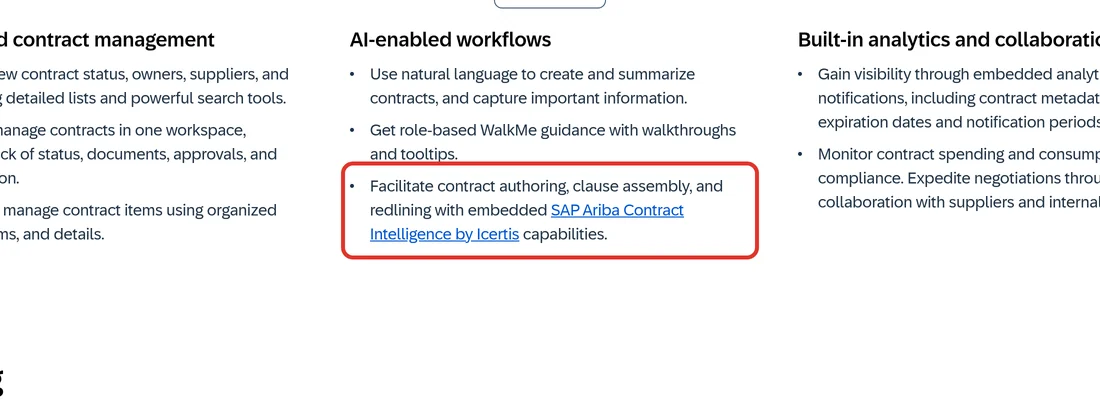
The lines blur. SAP Ariba Contracts embeds “SAP Ariba Contract Intelligence by Icertis” for authoring, clause assembly and redlining. So a suite module can carry a standalone vendor’s engine inside it. Ask each vendor whose engine you are buying.
What the record holds
A CLM record is only useful if each field has an owner and a source. The contract text is one field among many. Dates, values, parties and obligations are the fields that trigger action. Agree in writing who keeps each one current, or the alerts fire to nobody.
| Field | Who owns it | Where it comes from |
|---|---|---|
| Parties and legal entities | Legal | Supplier master or CRM account |
| Contract value and pricing terms | Procurement or the deal owner | The signed contract, then the ERP |
| Start, end and notice dates | Contract manager | Extracted from the signed contract |
| Renewal type (auto or manual) | Contract manager | Extracted, then confirmed by a person |
| Obligations and SLAs | The business owner of the supplier | Extracted from the signed contract |
| Amendments and versions | Legal | The CLM itself |
| Linked POs and spend | Procurement | The ERP or P2P tool |
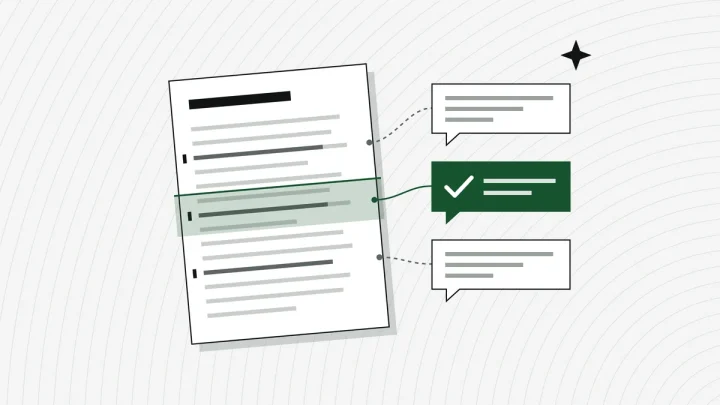
Extraction is where AI now sits. SpotDraft says its repository pulls “over 1000 types of contract metadata.” Docusign CLM lists “over 100 pre-trained AI models” for contract data. Neither page says how extraction accuracy was measured, so test it on your own contracts.
Which CLM platforms fit procurement and legal teams?
Ten products cover most shortlists. Six are standalone enterprise CLM, two are contract modules in source-to-pay suites, and two are priced on contract volume. None of the ten lists a public price on the pages we read. The deciding factor is who owns contracts in your company today.
| Product | What the record holds or flags | Source |
|---|---|---|
| Icertis | Seven-stage CLM from request intake to renewal analytics; powers SAP Ariba Contract Intelligence | icertis.com |
| Sirion | Supplier contract terms, obligations and vendor performance; SAP Ariba listed as an integration | sirion.ai |
| Ironclad | Intake Agent fills the request from vendor paper; Contract Review Agent flags non-standard terms | Ironclad procurement page |
| Agiloft | Extracts obligations and sends alerts for payments, expirations and deliverables | Agiloft pricing page |
| Docusign CLM | 100+ pre-configured workflow steps; obligations and renewals in agreement reports | Docusign CLM page |
| Conga CLM | Authoring in Word or Google Docs; obligation management and contract tracking for procurement | Conga CLM page |
| SAP Ariba Contracts | Single contract workspace; expiration dates and notice periods in analytics | SAP product page |
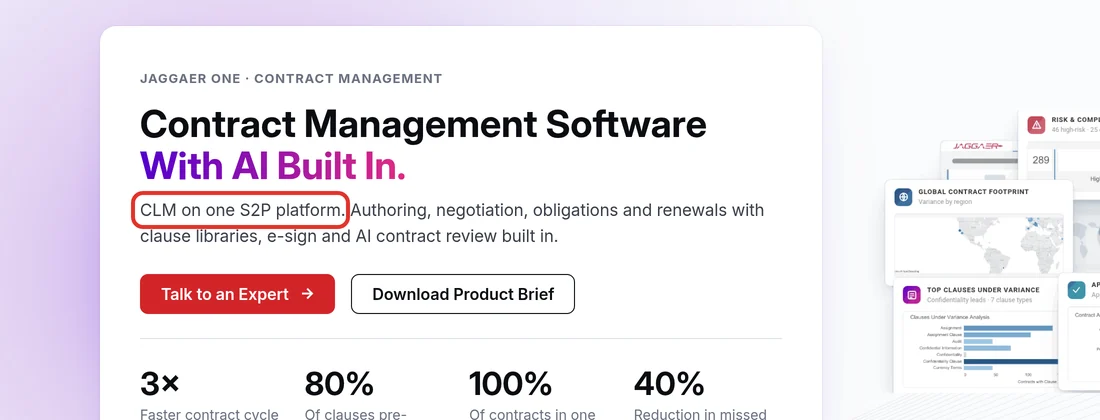
| JAGGAER Contracts | CLM on one S2P platform; milestones, SLAs and renewal dates with alerts to owners | JAGGAER contracts page |
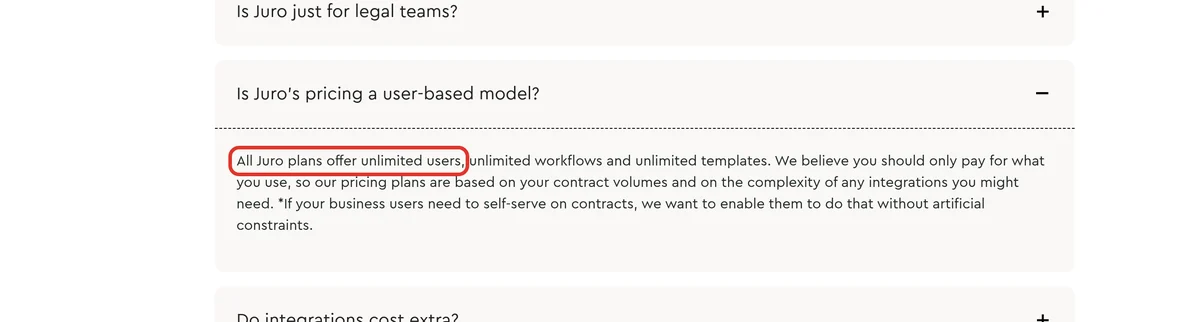
| Juro | Unlimited users, workflows and templates on every plan | Juro pricing page |
| SpotDraft | Repository extraction; implementation and migration with no extra fees | SpotDraft pricing page |
Analyst badges are claimed by several vendors at once. Ironclad says it was named a Leader in the 2025 Gartner Magic Quadrant for CLM. Docusign says Gartner named it a Leader “for the sixth year in a row.” For how suites handle contracts next to sourcing and buying, see our source-to-pay suites ranking.
How is CLM software priced?
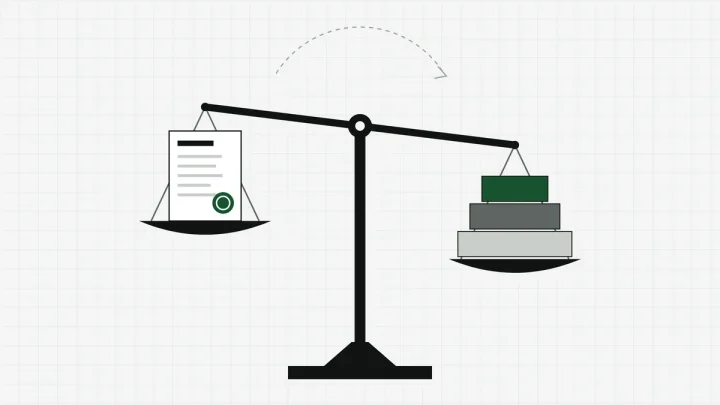
CLM is quote based across all ten products we read. The price is built on contract volume, users, modules and integrations, and each vendor weights these differently. Ask which meter applies before the demo. A seat-based quote and a volume-based quote can rank in opposite order for the same team.
| Product | What the price is built on | Source |
|---|---|---|
| Ironclad | Products, users, workflows and growth; add-ons for API, integrations and instances | Ironclad pricing page |
| Juro | Contract volume and integration complexity; Salesforce, HubSpot and Workday integrations cost extra | Juro pricing page |
| SpotDraft | Contract volume; implementation and migration included | SpotDraft pricing page |
| Agiloft | Quote through a pricing form, by product (CLM or Astra) | Agiloft pricing page |
| Conga | Quote through a pricing form | Conga pricing page |
Juro’s own guidance is that businesses signing around 10 or more contracts a month see a return that scales with volume. That is a vendor threshold, not ours. For how procurement suites price comparable modules, see our Coupa pricing guide.
After signature: what to check the CLM can do
Most contract risk appears after signature, when nobody is looking at the contract. Before you buy, check four things in the product itself: renewals, obligations, amendments and the audit trail. Each one needs an owner, an alert and a record of what happened. If a demo skips these, ask for them.
- Renewals: notice dates extracted, auto-renewals flagged and an alert sent to a named owner before the window closes.
- Obligations: SLAs, deliverables and payment terms tracked, with a person assigned to each one.
- Amendments: every change order linked to the parent contract, so the current terms are one click away.
- Audit trail: who approved, edited, signed and viewed each version, with dates.
- Spend link: contract prices compared with POs or invoices from the ERP or P2P tool.
Red flags in a CLM demo
A demo shows the happy path. The red flags hide in supplier paper, legacy contracts and handoffs to other systems. Bring three real contracts, including one on a supplier’s template, and watch what the tool does with them. If the vendor will not use your files, treat that as an answer.
- The demo only uses the vendor’s own sample contracts.
- Extraction is shown, but accuracy on your contracts is not measured.
- Renewal alerts go to a role, not to a named person.
- The ERP or S2P connection is “on the roadmap” rather than live.
- Legacy migration is priced later, separately from the licence.
- AI review is pitched with no playbook or approved fallback language behind it.
When your S2P suite’s contract module is enough
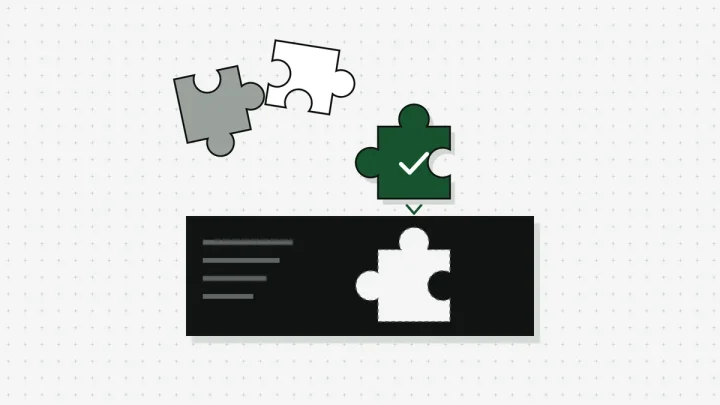
Your suite’s contract module is enough when procurement owns most contracts, most are on supplier paper and legal reviews by exception. Standalone CLM earns its place when sales, HR and legal contracts need the same record. To compare enterprise CLMs head to head, see Icertis vs Ironclad vs Sirion or Agiloft vs Icertis vs Ironclad, and our Ironclad pricing guide shows how one vendor quotes. Our AI contract management software ranking covers AI review and redlining. For how the main suites compare, see our Coupa vs SAP Ariba comparison.
How to choose CLM software for procurement and legal
Start with who owns contracts after signature. If procurement owns most of them, look at your suite’s module first; if legal and sales own as many, shortlist standalone CLM. If volume is steady and teams are mid-sized, get quotes from volume-priced tools. Then test renewals and extraction on your own contracts.
The verdict
- Choose your S2P suite’s contract module if procurement owns most contracts and already runs SAP Ariba or JAGGAER.
- Choose standalone enterprise CLM if legal, sales and procurement need one contract record with one owner per field.
- Choose volume-priced CLM if many people touch contracts and per-seat pricing would punish adoption.
- Stay on a shared drive and e-signature if you sign a handful of contracts a month and one person owns every renewal.
For the wider procurement stack around CLM, see our procurement software guide and procure-to-pay software ranking.
Frequently asked questions
What does CLM software do?
CLM software runs a contract from request to renewal in one system. It drafts from templates and clause libraries, routes redlines and approvals, collects e-signatures and stores the signed copy. After signature, it tracks obligations, milestones and expiry dates and alerts the owner. The result is one searchable record of what was agreed.
What is the difference between contract management and CLM?
Contract management is the general work of handling contracts. CLM, or contract lifecycle management, means covering every stage in one system, from the first request through drafting, approval, signature, obligations and renewal. A shared drive with e-signature handles some contract management. It rarely covers the stages after signature.
Does procurement need its own CLM?
Not always. If procurement runs a source-to-pay suite, its contract module may cover supplier contracts well enough. A separate CLM makes sense when legal, sales and procurement need one record. The deciding question is who owns contracts after signature, and which system already holds supplier and spend data.
How much does CLM software cost?
None of the ten CLM products we read lists a public price. Ironclad quotes on products, users and workflows. Juro and SpotDraft price on contract volume, and Juro charges extra for deeper integrations such as Salesforce and Workday. Ask each vendor which meter applies and what migration and integrations add.
Which CLM is best for procurement teams?
Start with your suite: SAP Ariba Contracts and JAGGAER keep contracts beside sourcing and buying, while Icertis, Sirion and Ironclad publish procurement pages and serve legal too. Test each on supplier paper, renewal alerts and the link to your ERP. Pick the one your contract owners will actually keep current.
Can AI in CLM software replace contract review?
AI can extract dates, parties and clauses, and flag terms that differ from your playbook. It does not decide what risk you accept. Vendors rarely publish how their extraction accuracy was measured, so test it on your own contracts. Keep a person responsible for approving non-standard terms in writing.